


Personal trainer fitness has revolutionized the way individuals approach their health and wellness goals. Whether you’re taking your first steps on a fitness journey or you’re an experienced athlete striving for peak performance, a personal fitness trainer can be the catalyst for achieving remarkable results. This comprehensive guide will illuminate the world of personal training, its myriad benefits, and how to harness its power for your fitness success.
Key Takeaways
- A personal fitness trainer designs customized exercise programs by combining knowledge of anatomy, exercise science, and nutrition to help you reach your health goals safely.
- Look for trainers through gyms, online directories, social media, or trusted referrals, and always filter by verified certifications.
- Watch for red flags like promises of dramatic short-term results, pushed supplements, or dismissed physical concerns.
- Sessions typically combine warm-up, strength or cardio training, cool-down, and progress tracking, often with added nutrition guidance.
- Whether you choose private or group training, clear goals, open communication, and consistency are what make personal training actually work.
What is a Personal Fitness Trainer?
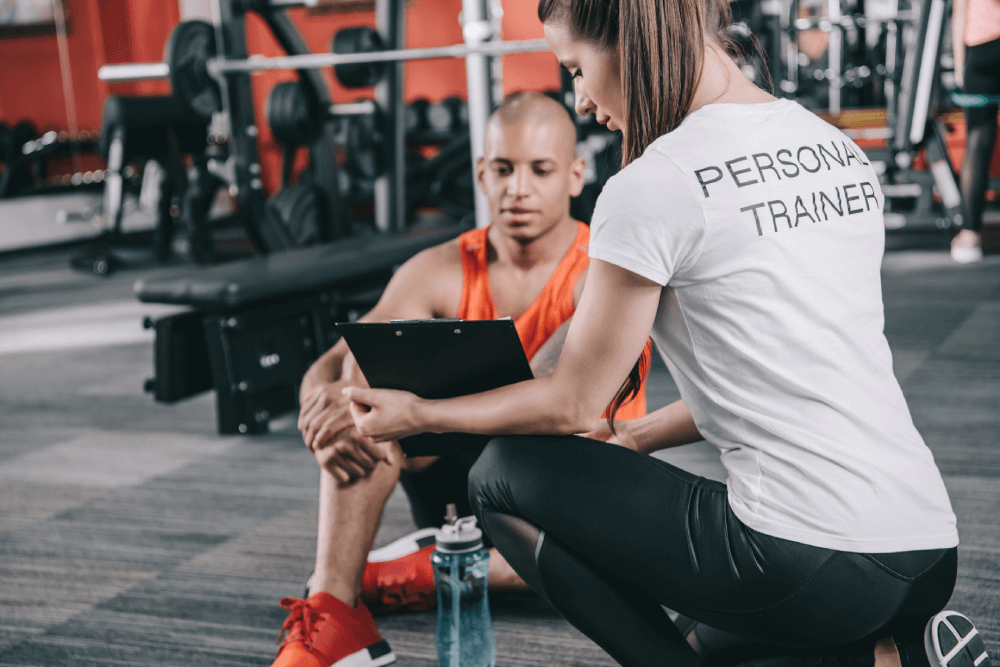
A personal fitness trainer is a qualified professional who designs and implements safe and effective exercise programs tailored to individual clients. These experts combine their knowledge of human anatomy, exercise science, and nutrition to help clients improve their physical fitness, health, and overall well-being.
Where to Find a Personal Trainer
Finding the right trainer starts with knowing where to look.
- Local gyms often have trainers on staff, and many offer a free trial session
- Online directories such as Trainiac or ISSA’s Trainer Search let you filter by specialty
- Social media platforms often showcase a trainer’s coaching style and client results
- Referrals from people you trust can be one of the most reliable sources
- A simple local search will surface options, though filtering by certification helps narrow results
The Benefits of Working with a Personal Trainer
Engaging a personal trainer can offer numerous advantages. Research reviewed by the American Council on Exercise found that working with a qualified personal trainer is associated with better exercise adherence, technique, and outcomes compared to unsupervised training (ACE Fitness, Evidence to Support the Effectiveness of Personal Training):
- Customized workout plans
- Proper form and technique guidance
- Motivation and accountability
- Efficient use of workout time
- Injury prevention
- Varied and challenging routines

Types of Personal Training Services
Gym and Personal Trainer Combinations
Many gyms offer personal training services alongside their regular memberships. This option allows you to access both equipment and expert guidance in one location.
Personal Workout Trainer
A personal workout trainer focuses specifically on exercise routines, helping you maximize your efforts in the gym or at home.
Personal Weight Trainer
If your goal is weight management, a personal weight trainer can create a program that combines effective workouts with nutritional guidance.
Online Fitness Coaching
For those who prefer flexibility, online personal training offers expert guidance through virtual platforms, allowing you to work out on your own schedule.
How to Choose the Right Personal Trainer
Selecting the right personal trainer is crucial for your fitness success. Consider the following factors:
- Qualifications and certifications
- Experience in your specific fitness goals
- Communication style and personality fit
- Availability and scheduling flexibility
- Cost and package options
Red Flags to Watch For
Not every trainer is the right fit, and some signs are worth taking seriously.
- Promises of dramatic results in an unrealistically short time
- Pushing supplements without real nutrition guidance
- Dismissing your physical limitations or concerns
- A pattern of client complaints or injuries
What to Expect in Your Personal Training Sessions
A typical session with a personal fitness trainer may include:
- Warm-up exercises
- Strength training or cardio workouts (or a combination)
- Cool-down and stretching
- Progress tracking and goal setting
- Nutritional advice and lifestyle recommendations
The Role of Nutrition in Personal Training
Many personal trainers also offer nutrition coaching as part of their services. A balanced diet is essential for achieving optimal fitness results, and your trainer can guide you in making healthy food choices that complement your workout routine.
Private vs. Group Personal Training
| Factor | Private (1-to-1) | Group / Semi-private |
|---|---|---|
| Cost per session | Highest — you pay for undivided attention | Lower per person; cost shared across the group |
| Programming | Fully individualised to your goals, injuries and schedule | Standardised, with modifications offered on the day |
| Coaching attention | Continuous form correction and real-time adjustment | Split across participants; less individual correction |
| Accountability | Direct to your coach; easy to reschedule around you | Group cadence and peer accountability; fixed class times |
| Best suited to | Injury history, specific performance goals, beginners nervous about form | Motivation from others, general fitness, tighter budgets |
| Trade-off | Higher cost | Less individual attention on technique |
On cost: rates vary widely by market, coach experience and session length, so treat any single figure with caution. For concrete local numbers, our Tacoma gym and trainer guide lists current area ranges for one-to-one and semi-private sessions, and our guide to the cost of personal training breaks down what drives the price.
Personal Training Formats Compared
Format matters less than supervision and progression: a 2024 randomized clinical trial found remote, video-supervised training produced body-composition and metabolic results comparable to in-person supervised training in inactive adults (randomized clinical trial, 2024), so the choice below is mostly about your logistics and budget rather than one option being inherently better.
| Service type | What it involves | Best suited to |
|---|---|---|
| Gym-based 1-to-1 | Full equipment access with a coach on the floor | Progressive strength work, machine-based programming |
| In-home training | Coach travels to you with portable equipment | Privacy, tight schedules, childcare constraints |
| Online / virtual coaching | Programming plus video check-ins and remote form review | Travel, self-motivation, lower cost, equipment you already own |
| Semi-private / small group | Two to six people sharing a coach | Shared cost with some individual attention retained |
| Specialist rehab-adjacent training | Movement assessment and graded loading around an injury | Post-injury return, chronic pain, working alongside a clinician |
While one-on-one sessions offer individualized attention, group personal training can be a cost-effective alternative that still provides expert guidance in a motivating group setting.
How to Make the Most of Your Personal Training Experience
To maximize the benefits of working with a personal trainer:
- Set clear, realistic goals
- Communicate openly with your trainer
- Stay consistent with your workouts and nutrition plan
- Be open to trying new exercises and techniques
- Track your progress regularly
The Future of Personal Training
The personal training industry continues to evolve, incorporating new technologies and methodologies. From virtual reality workouts to AI-powered fitness tracking, the future of personal training promises even more personalized and effective fitness solutions.
A Real Client’s Experience
"Working out my whole life, physical fitness has always been a big part of what I do… My first session with Isaac was the best training session I've ever had!" — Linden M., Beometry client and former personal trainer herself
Looking for Tacoma-specific gym recommendations and neighborhood breakdowns instead of general guidance? See our local guide to finding a personal trainer in Tacoma for that angle.
Is Personal Training Right for You?
Whether you’re looking to lose weight, build muscle, improve your athletic performance, or simply lead a healthier lifestyle, a personal trainer can provide the knowledge, support, and motivation you need to succeed. By investing in professional guidance, you’re taking a significant step towards achieving your fitness goals and improving your overall quality of life.
Remember, the journey to better health and fitness is personal and unique to each individual. With the right personal trainer by your side, you can navigate this journey with confidence, efficiency, and success.
For those interested in exploring online fitness and nutrition coaching options or seeking nutrition coaching in Tacoma, there are specialized services available to meet your specific needs. Additionally, if you’re looking for a more personalized experience, consider private personal training in Tacoma for tailored fitness solutions.
Medical Disclaimer: This article is for informational purposes only and does not replace professional medical advice. Consult your healthcare provider before making any health decisions.