


You know that uncomfortable constant bloating? The unpredictable digestion, the cramping, the brain fog that makes you feel like you are moving through molasses? If any of that sounds familiar, you might be potentially dealing with SIBO (Small Intestinal Bacterial Overgrowth).
SIBO happens when bacteria that should be in your large intestine start overrunning your small intestine. That’s where the trouble starts: bloating, discomfort, sluggish digestion, and even struggles with weight loss or energy levels. You can read more about SIBO symptoms here.
So, how do we treat sibo? While there’s no fixed solution, there are practical steps you can take to start feeling better. At Beometry, we work with clients through our weight loss and fitness coaching to improve gut health, metabolism, and overall well-being.
Key Takeaways
- SIBO (Small Intestinal Bacterial Overgrowth) occurs when bacteria overrun the small intestine, causing bloating, sluggish digestion, brain fog, and energy issues.
- Treatment options include antibiotics, herbal antimicrobials, and diet changes, but lasting relief usually comes from combining approaches rather than relying on just one.
- Meal timing, movement, stress management, hydration, and sleep all directly support gut motility and digestion, making them practical daily levers for symptom relief.
- Recurrence is common: a widely-cited study found 12% of patients relapsed within 3 months, 27% within 6 months, and nearly 44% within 9 months of completing antibiotic-only treatment (Lauritano et al., American Journal of Gastroenterology, 2008), so addressing root causes like gut motility matters as much as initial treatment.
- Sustainable, personalized changes, not quick fixes, are what drive long-term SIBO recovery, and working with a coach who understands both nutrition and movement can help track progress and adjust course.
Why One-Size-Fits-All Doesn’t Work
When Bryn came to us, she couldn’t even keep soup down. Her teeth had rotted out as a child from early malnourishment. She had lived her entire life with gut pain and severe symptoms.
She didn’t just need supplements. She needed a personalized healing roadmap.
Through careful food rotation, deep repair work, and progressive microbial clearing, she went from surviving on broth to eating freely again.
The key to real results is:
- Correct identification of the dominant issue (bacterial type, digestive function, lifestyle)
- Personalized diet and lifestyle shifts
- Staged repair and microbial balancing
- Support for detoxification and immune function
It’s a step-by-step process, and if you skip the steps, you go back to square one.
Here are 10 things you can do to support your body in healing and understand how to cure SIBO.
First, Make Sure It Actually Is SIBO
Everything below works far better when you are treating a confirmed problem rather than a guess, because SIBO symptoms overlap heavily with IBS, food intolerance and functional dyspepsia. The American College of Gastroenterology’s 2020 clinical guideline suggests breath testing — either glucose-hydrogen or lactulose-hydrogen — to diagnose SIBO in patients with IBS, in symptomatic patients with suspected motility disorders, and in symptomatic patients who have had previous abdominal surgery. For treatment, it suggests antibiotics in symptomatic patients with confirmed SIBO to eradicate the overgrowth and resolve symptoms (ACG clinical guideline: small intestinal bacterial overgrowth, 2020).
Two practical points that change what treatment looks like for you:
- Gas type can matter. Breath tests measure hydrogen, and many labs now also measure methane. Methane-predominant overgrowth tends to present with constipation rather than diarrhoea and is often managed differently, so ask which gases your test reports.
- Preparation affects the result. Recent antibiotics, laxatives, a high-fermentable diet the day before, or skipping the fasting window can all shift a breath test. Follow the lab’s prep instructions exactly, and if a result contradicts how you clearly feel, discuss repeat testing rather than starting a long protocol on shaky data.
Antibiotic choice, dose and course length are prescribing decisions that depend on your test result, subtype and history — those belong with your clinician, not a checklist. What follows is the part you control: the nutrition, motility, stress and sleep work that determines whether treatment holds.
1. Focus on the Right Nutrition (Not Just “Eating Healthy”)
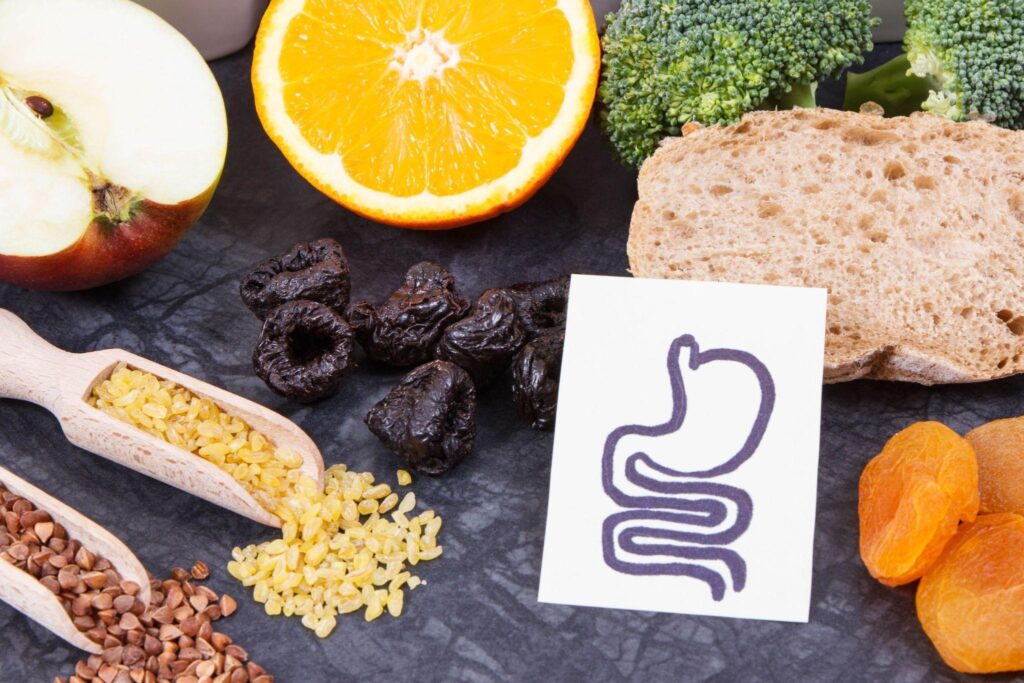
Not all “healthy” foods are SIBO-friendly. Certain fibers and fermentable foods feed the bacteria causing problems. Many people with SIBO find relief by following a low-FODMAP diet or adjusting their carbohydrate intake.It’s important to fine-tune your nutrition based on how their body responds – because what works for one person might not work for another. Finding the right SIBO treatment plan starts with understanding your unique digestive needs.
Antibiotics vs. Herbal vs. Diet-Only: Comparing Your Options
| Approach | How It Works | Best For | Limitations |
|---|---|---|---|
| Antibiotics (e.g., rifaximin) | Directly reduces bacterial overgrowth | Fast symptom relief, confirmed diagnosis | Doesn’t restore gut motility or lining; high relapse if used alone |
| Herbal antimicrobials | Plant-based compounds targeting overgrowth | Those wanting a non-prescription option | Often needs longer courses; less standardized dosing |
| Diet-only | Reduces fermentable food supply to bacteria | Mild cases, long-term maintenance | Rarely resolves overgrowth alone once established |
No single approach works in isolation. Long-term relief typically comes from combining targeted antimicrobial treatment with diet, motility support, and lifestyle changes, not from picking just one lane.
2. Give Your Gut Time to Reset (Intermittent Fasting & Meal Timing)
Your small intestine has something called the Migrating Motor Complex (MMC) – essentially, it’s the “clean-up crew” that moves food and bacteria out of the small intestine. But it only works when you’re NOT eating. That’s why spacing out meals (instead of constant snacking) can help clear out excess bacteria.
Some people find intermittent fasting helpful, but the key is consistency in meal timing, so your gut gets time to do its job. This is a simple, natural way to support your body’s SIBO therapy.
3. Strengthen Digestion with Simple Habits
Your stomach is your first line of defense against bacteria overgrowth. Strengthening digestion can make a big difference. Try:
- Chewing your food thoroughly (seriously, slow down!)
- Drinking lemon water or apple cider vinegar before meals
- Managing stress – because stress literally shuts down digestion (more on that in a second)
These small steps can help fix SIBO naturally by improving digestion and reducing bacterial overload.
4. Movement Matters: Exercise & SIBO
Exercise is not only for weight loss – it also supports digestion and gut motility. When you move, your intestines move, and that helps prevent stagnation where bacteria can thrive.
That’s why, at Beometry, we incorporate movement into our fitness coaching for people struggling with gut issues. Low-impact exercise like walking, yoga, or strength training can help improve digestion and reduce bloating. This is a crucial but often overlooked part of SIBO treatment.
5. Manage Stress (It’s Hurting Your Gut More Than You Think)
Stress is one of the biggest triggers for digestive issues. When your body is stuck in “fight or flight” mode, digestion slows down, leading to bacterial imbalances.
Simple ways to activate your body’s relaxation response:
- Deep breathing (inhale for 4 seconds, exhale for 8)
- Gentle movement (yoga, stretching, or walking)
- Intentional recovery – prioritizing sleep, relaxation, and mindset work

6. Hydration & Electrolyte Balance
If you’re dealing with SIBO, dehydration can make symptoms worse. But here’s the kicker – drinking plain water isn’t always enough. Your body needs electrolytes (sodium, potassium, magnesium) to absorb water properly.
Try adding a pinch of sea salt to your water or drinking electrolyte-infused beverages (without tons of added sugar). Proper hydration can help relieve SIBO symptoms and improve digestion.

7. Sleep: The Most Underrated Gut Healer
Your body does most of its repair work while you sleep, and that includes your gut. Poor sleep = poor digestion = more SIBO symptoms.
To improve your sleep:
- Stick to a consistent sleep schedule
- Limit blue light exposure before bed (yes, that means your phone!)
- Try magnesium to help with relaxation
8. Be Patient – SIBO Recovery Takes Time
One of the hardest things about SIBO is that it doesn’t disappear overnight. Gut healing is a process, and it’s different for everyone. Some people see improvements in weeks, while others take months.
Consistency with nutrition, movement, and stress management is key. That’s why it is important to focus on sustainable habits instead of quick fixes. The best treatment for SIBO is one that works with your lifestyle long-term.
9. Track Your Symptoms & Progress
The more you understand your body, the better choices you can make. Keep a simple journal to track:
- Foods that trigger bloating or discomfort
- Energy levels throughout the day
- Sleep quality and stress levels
Patterns can help you adjust your approach and avoid unnecessary frustration. This is an easy way to personalize your SIBO treatment plan.

10. Get Support (You Don’t Have to Do It Alone)
Dealing with gut issues can feel frustrating and isolating, but you don’t have to figure it all out on your own. Working with a coach who understands both nutrition and movement can make a huge difference.
At Beometry, we help people improve their gut health as part of their weight loss and fitness coaching. By focusing on the right nutrition, movement, and lifestyle shifts, we help clients feel better, get stronger, and take control of their health.
Preventing SIBO From Coming Back
Treating SIBO once isn’t the finish line. Recurrence is common: in the study cited above, nearly 44% of patients saw SIBO return within 9 months of completing antibiotic-only treatment (12% by 3 months and 27% by 6 months). Reducing that risk means addressing what let the overgrowth happen in the first place.
- Support gut motility after treatment, since a sluggish migrating motor complex is a common root cause
- Reintroduce fiber and fermentable foods gradually, not all at once
- Address any underlying condition (low stomach acid, structural issues, past surgery) rather than just retreating symptoms
- Continue spacing meals to protect the migrating motor complex long term
- Recheck in with testing if symptoms return, rather than assuming it’s a new, unrelated issue
The Bottom Line: Feeling Better Starts with Small Changes
Figuring out how to treat SIBO can feel overwhelming, but small, consistent changes can lead to real relief. Focusing on the right foods, movement, stress management, and recovery can support your gut and help ease symptoms over time.
So, if you’re ready to feel better, move better, and finally take control of your gut health, we’re here to help with our coaching programs that focus on a personalized approach to fitness, nutrition, and long-term health.
Let’s build a plan that works for YOU!

Medical Disclaimer: This article is for informational purposes only and does not replace professional medical advice. Consult your healthcare provider before making any health decisions.