
Key Takeaways
- Gut health affects far more than digestion, it also influences mood, energy, and immune function.
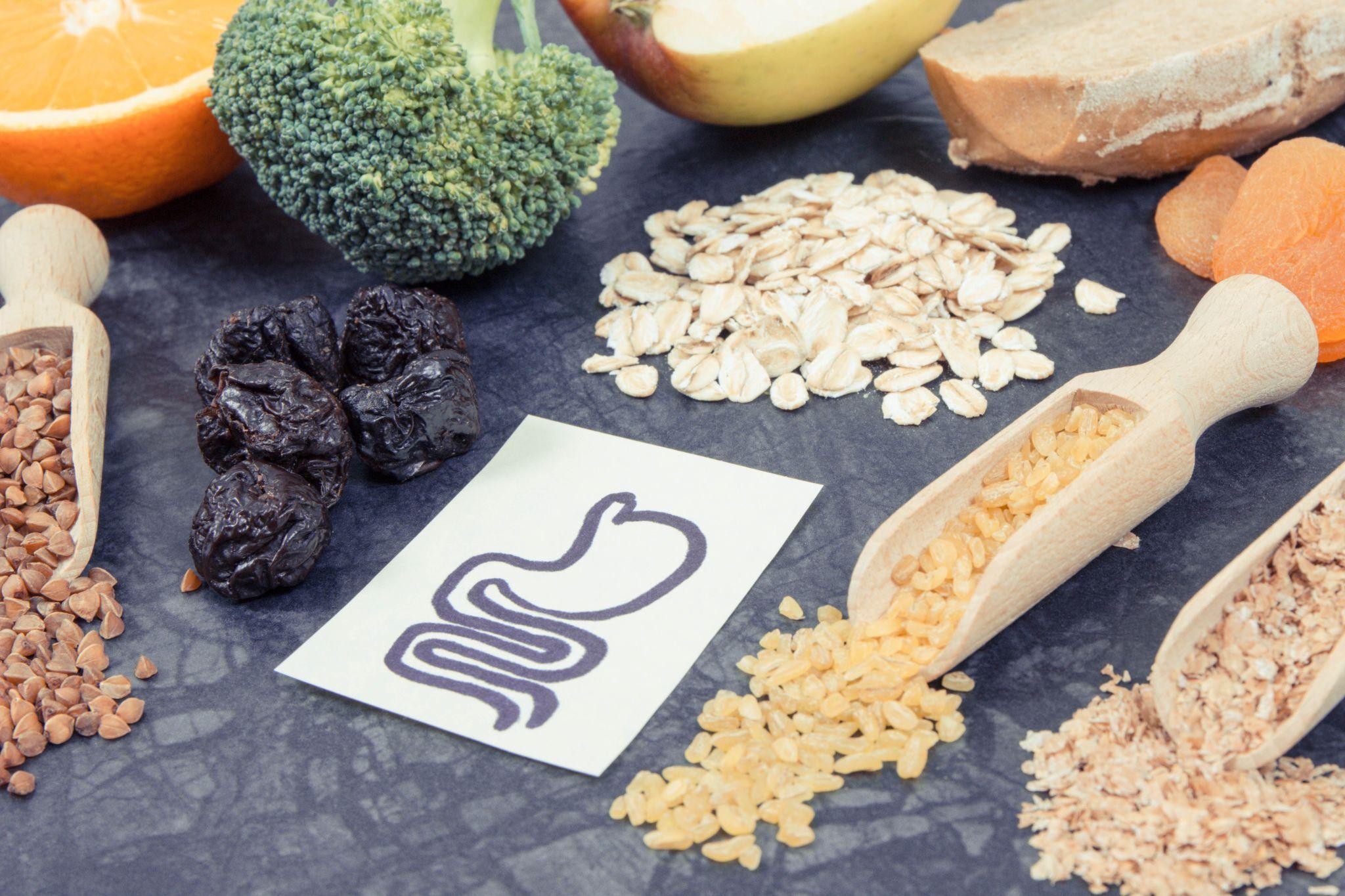
- A mix of fermented foods (probiotics) and fiber-rich foods (prebiotics) does more for your gut than either one alone.
- Bone broth, omega-3s, and polyphenol-rich foods support the gut lining and reduce inflammation, but they work best alongside fiber and fermented foods, not instead of them.
- Consistency matters more than any single “superfood.” Small, daily choices beat occasional gut-health binges.
- Highly processed foods, excess sugar, alcohol, and some artificial sweeteners actively work against your gut microbiome.
You know that feeling when your stomach just feels right? No bloating, no sluggishness, just smooth digestion and steady energy. But then, some days, it’s the complete opposite. Your gut feels off, and everything seems to slow down.
Your gut health plays a huge role in how you feel daily, affecting everything from digestion to mood and even immune function. And one of the biggest factors? What you eat.
So, what foods are good for gut health? Come, let’s break it down together and talk about the best foods for gut health, why they matter, and how you can add them to your diet in a way that actually sticks.
1. Fermented Foods: Probiotic Powerhouses
If you want to feed the good bacteria in your gut, fermented foods are your best friend. They’re packed with probiotics, which help balance your microbiome and improve digestion.
Best fermented foods for gut health:
- Yogurt (go for unsweetened, live-culture varieties)
- Kefir (a fermented dairy drink with even more probiotics than yogurt)
- Sauerkraut & kimchi (fermented cabbage loaded with gut-friendly bacteria)
- Miso & tempeh (fermented soy products that also pack a protein punch)
- Kombucha (fermented tea, but watch for added sugars)
2. Fiber-Rich Foods: Fuel for Good Bacteria
Probiotics are important, but prebiotics (fiber that feeds healthy gut bacteria) are just as crucial. A diet rich in fiber can help keep your digestion running smoothly.
Top high-fiber foods for gut health:
- Legumes (lentils, chickpeas, black beans)
- Whole grains (oats, quinoa, brown rice)
- Vegetables (leafy greens, artichokes, onions, garlic)
- Fruits (bananas, apples, berries)
- Nuts & seeds (flaxseeds, chia seeds, almonds)
3. Bone Broth: The Gut-Soothing Superfood
Bone broth contains collagen, amino acids, and minerals that early research suggests may help support the gut lining. If you struggle with digestive discomfort, this warm, nourishing food can be a game-changer.
Tip: Sip on bone broth as a daily gut reset or use it as a base for soups and stews.
4. Omega-3-Rich Foods: Anti-Inflammatory Support
Gut inflammation can throw everything off. That’s where omega-3 fatty acids come in, helping to calm inflammation and support a balanced gut microbiome.
Best omega-3 foods for gut health:
- Salmon (Yes, salmon is good for gut health!)
- Sardines & mackerel
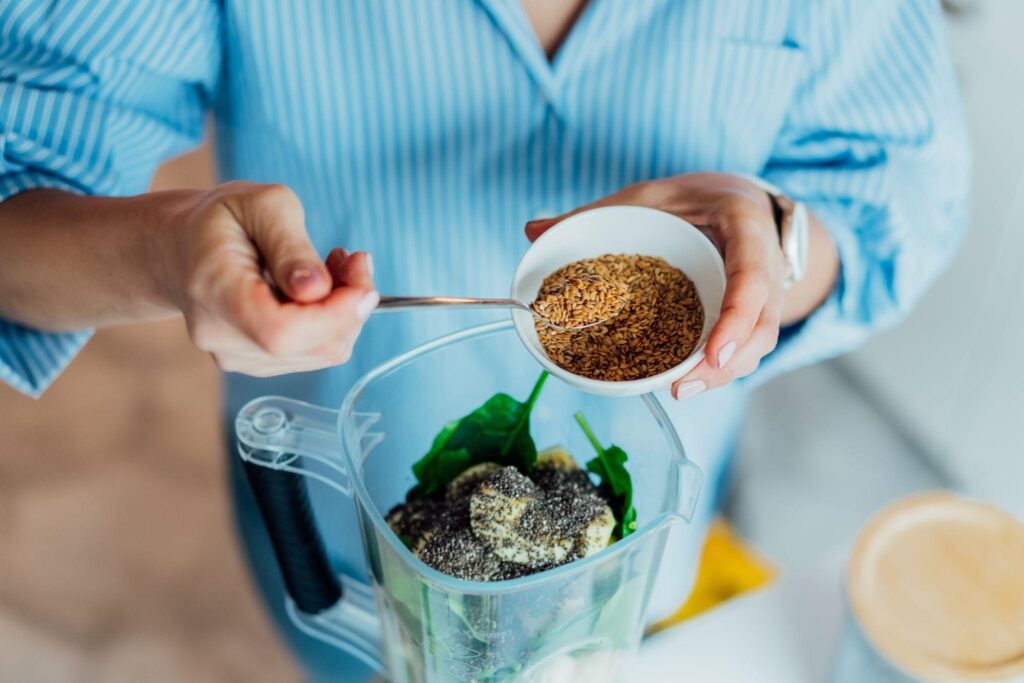
- Chia seeds & flaxseeds
- Walnuts
5. Polyphenol-Rich Foods: Microbiome Boosters
Polyphenols are plant compounds that support gut bacteria and reduce inflammation. They are found in some of the tastiest foods out there.
Foods rich in polyphenols:
- Dark chocolate (at least 70% cacao)
- Green tea & black tea
- Berries (blueberries, raspberries, strawberries)
- Olive oil
6. Water & Hydration: The Overlooked Gut Health Essential
You can eat all the best foods for gut health, but if you’re dehydrated, your digestion won’t function properly. Water helps break down food, absorb nutrients, and keep things moving.
Try this: Start your morning with a big glass of water, and sip throughout the day. Adding lemon or a pinch of sea salt can help with electrolyte balance.
7. Foods to Eat for Better Gut Health: What to Avoid
Some foods disrupt your gut microbiome, causing bloating, sluggish digestion, and inflammation.
Watch out for:
- Highly processed foods (too many artificial additives & preservatives)
- Excess sugar (feeds bad bacteria)
- Excess alcohol (disrupts gut balance)
- Artificial sweeteners (some can mess with gut bacteria)

Making Gut-Healthy Eating a Habit
Knowing what foods are good for gut health is one thing, actually eating them consistently is another. That’s why at Beometry, we focus on sustainable habits, not crash diets. Our gut health coaching helps clients integrate gut-friendly foods into their routine in a way that’s simple and enjoyable.
Your Gut, Your Health – Start Nourishing It Today
Your gut health affects your energy, mood, and overall well-being. The good news? Small, simple changes in what you eat can lead to big improvements.
Start adding more foods that are good for gut health into your diet, stay consistent, and listen to what works best for your body. And if you want expert guidance along the way, Beometry’s coaching programs can help you build a gut-friendly lifestyle that actually lasts.
Because when your gut is happy, YOU feel your best.

Medical Disclaimer: This article is for informational purposes only and does not replace professional medical advice. Consult your healthcare provider before making any health decisions.